Tips for Managing and Paying Off Credit Card Debt Efficiently
Understanding Your Finances
Managing credit card debt can feel overwhelming, but with the right strategies, you can regain control of your finances. Start by understanding that financial security is achievable, even if it seems far off. By actively taking steps toward managing your finances, you can transform your current situation into one of stability and comfort.
Creating a Realistic Budget
One fundamental step in overcoming credit card debt is to create a realistic budget. Begin by tracking your income and expenses meticulously. Consider using budgeting tools or apps like Mint or YNAB (You Need A Budget) to help categorize your spending. The goal is to gain a comprehensive understanding of where your money is going each month. For example, if you spend $500 on dining out or entertainment, you may realize that cutting back only slightly can free up funds to tackle your debt.
Prioritizing High-Interest Debts
Once you have a clear picture of your finances, the next step is to prioritize high-interest debts. List your credit cards along with their interest rates. Focus on paying off the cards with the highest interest rates first, as these can accumulate debt more quickly due to compounded interest. For instance, if you have one credit card with a 20% interest rate and another with a 14%, direct your extra funds towards the 20% card. This strategy can save you money in the long run and accelerate your journey towards becoming debt-free.
Utilizing the Snowball Method
Another effective technique is the snowball method. This method involves paying off your smallest debts first, which can provide a quick sense of accomplishment and motivation. Once the smallest debt is eliminated, you can redirect that payment to the next smallest debt. For instance, if you have a $200 credit card bill and a $1,500 loan, you would pay off the $200 first. The psychological boost from clearing a debt can encourage you to keep going, turning your small victories into a cascading effect of success.
Seeking Support and Resources
Furthermore, it’s crucial to take advantage of resources available in Canada, such as financial counseling services or government programs aimed at debt relief. Organizations like Credit Canada or the Financial Consumer Agency of Canada offer free or low-cost advisory services that can guide you in managing your credit card debt effectively. They can help you explore options like debt management plans, which consolidate your debts and reduce interest rates.
Conclusion
With determination and the right tools, you can achieve debt freedom and cultivate better financial habits for the future. Remember that taking small, consistent steps in managing your credit card debt can lead to substantial progress over time. Stay committed to your budget, prioritize effectively, and don’t hesitate to seek support when needed. As you move forward, you’ll find that financial security is within your reach.
DISCOVER MORE: Click here for essential insights
Strategies for Tackling Credit Card Debt
Understanding which strategies to implement can make a significant difference in managing and paying off credit card debt. Let’s explore some actionable steps that can help you move towards financial stability.
Understanding Interest Rates
When dealing with credit card debt, it’s essential to understand interest rates and how they affect your payments. Credit cards often come with high interest rates, which means that any unpaid balance can grow quickly. For example, if you carry a balance of $1,000 on a credit card with a 20% interest rate, you will owe an additional $200 over the course of a year if no payments are made. Taking the time to read the terms and conditions of your card agreements will give you insight into your interest rates and other fees that might apply.
Cutting Unnecessary Expenses
One of the most effective ways to free up funds to pay down credit card debt is by cutting unnecessary expenses. Review your budget closely and identify non-essential spending that can be reduced or eliminated altogether. Here are some common areas to consider:
- Dining Out: Reduce the frequency of eating at restaurants or ordering takeout.
- Subscriptions: Reassess streaming services or subscriptions that you may not use often.
- Impulse Purchases: Limit impulse buying by establishing a waiting period before making non-essential purchases.
- Utility Costs: Consider ways to save on utilities, like turning off lights and unplugging devices when not in use.
By lowering your monthly expenses, you can redirect those funds towards paying down your debts instead.
Making Extra Payments
Whenever possible, making extra payments can substantially impact your overall debt. Even small, additional payments towards your credit card balance can lead to interest savings and quicker payoff times. For instance, if your minimum payment is $100 per month but you have an extra $50, apply that amount directly to the balance. This strategy not only reduces your debt faster but also demonstrates your commitment to financial responsibility.
Setting Up Automatic Payments
To ensure you never miss a payment, consider setting up automatic payments for your credit cards. This can help you avoid late fees and the potential damage to your credit score that comes with missed payments. You can typically set these up through your bank or credit card provider’s website. Just make sure to periodically review your budget and account statements to adjust the payment amount if necessary.
By applying these strategies, you can transform your approach to credit card debt. Each step you take towards managing your finances not only helps reduce your debt but also builds a more secure financial future.
DISCOVER MORE: Click here to learn how budget planning can boost your savings
Enhancing Your Debt Payment Strategy
After implementing foundational strategies for credit card debt management, it’s crucial to further enhance your payment strategy. This involves a combination of tactical financial planning and behavior adjustments that can significantly expedite your journey towards being debt-free.
Utilizing the Snowball or Avalanche Method
Two popular methods for paying off debt are the snowball method and the avalanche method. Both have distinct advantages depending on your personality and specific financial situation:
- Snowball Method: Focus on paying off your smallest debt first while making minimum payments on larger debts. Once the smallest balance is cleared, you move on to the next smallest. The satisfaction of eliminating debts, no matter how small, can provide emotional motivation to continue tackling the rest.
- Avalanche Method: Prioritize paying off the debt with the highest interest rate first, which minimizes the overall interest paid. This may take longer emotionally, but can save you more over time. For example, if you have a credit card with a 24% interest rate and another with 15%, the avalanche method suggests focusing on the one with 24% first.
Evaluate both methods to determine which aligns better with your financial priorities and emotional preferences.
Take Advantage of Balance Transfers
Balance transfer credit cards offer a practical approach to debt management. These cards often come with an introductory period featuring a 0% interest rate for transfers made within a certain timeframe. This means you can transfer your existing credit card debt onto a new card, allowing you to pay off the principal without accumulating additional interest for a limited time. However, it’s critical to consider the following:
- Check for transfer fees; some cards might charge a fee of up to 3% of the transferred amount.
- Keep track of when the promotional period ends to avoid being hit with high interest rates afterward.
Using this strategically can be a valuable tool, especially if you can commit to paying off your balance within the promotional period.
Exploring Debt Relief Options
If your credit card debt feels unmanageable, consider exploring formal debt relief options. Credit counseling services are widely available across Canada and can help you understand your options, including:
- Debt Management Plans (DMP): These plans involve working with a credit counselor who negotiates lower interest rates and manageable payments with your creditors.
- Debt Settlement: This involves negotiating with creditors to settle your debts for less than what you owe, typically in a lump sum payment. However, this can significantly impact your credit score, so it’s essential to weigh the pros and cons carefully.
Both options can offer valuable support, especially in dire financial situations, but ensure you reach out to reputable organizations to avoid scams.
Building an Emergency Fund
As you work towards paying off your credit card debt, consider simultaneously building a small emergency fund. While it may seem counterintuitive, having a financial safety net can prevent you from needing to rely on credit cards for unexpected expenses in the future. Aim for an initial goal as small as $500 to $1,000. This can be achieved by setting aside a specific amount each month. Once your debts are managed better, you can gradually increase this fund to cover three to six months’ worth of expenses.
By incorporating these strategies into your overall debt management plan, you’re not just focusing on paying off debt, but also creating a balanced approach to financial health that can benefit you long-term.
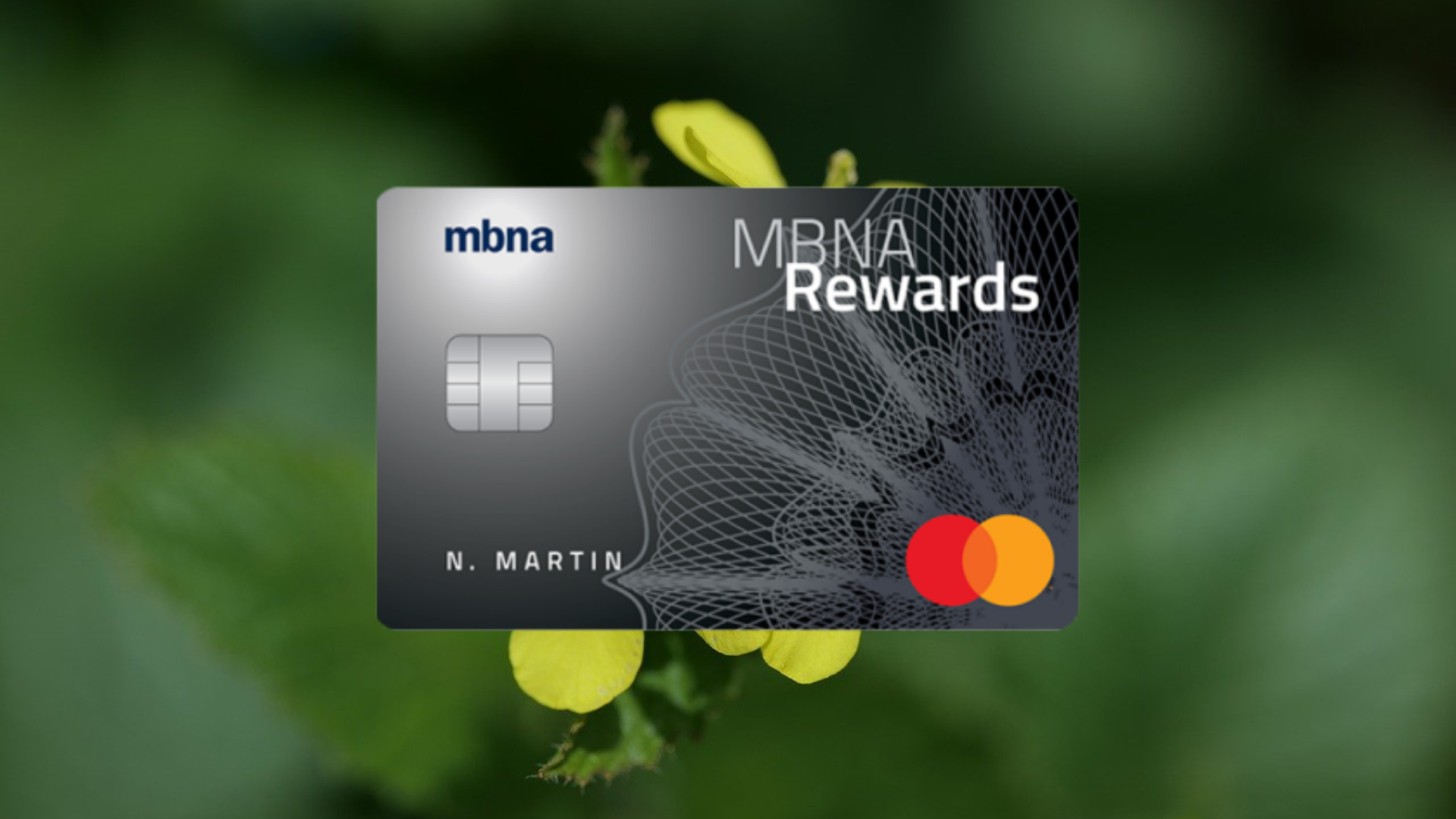
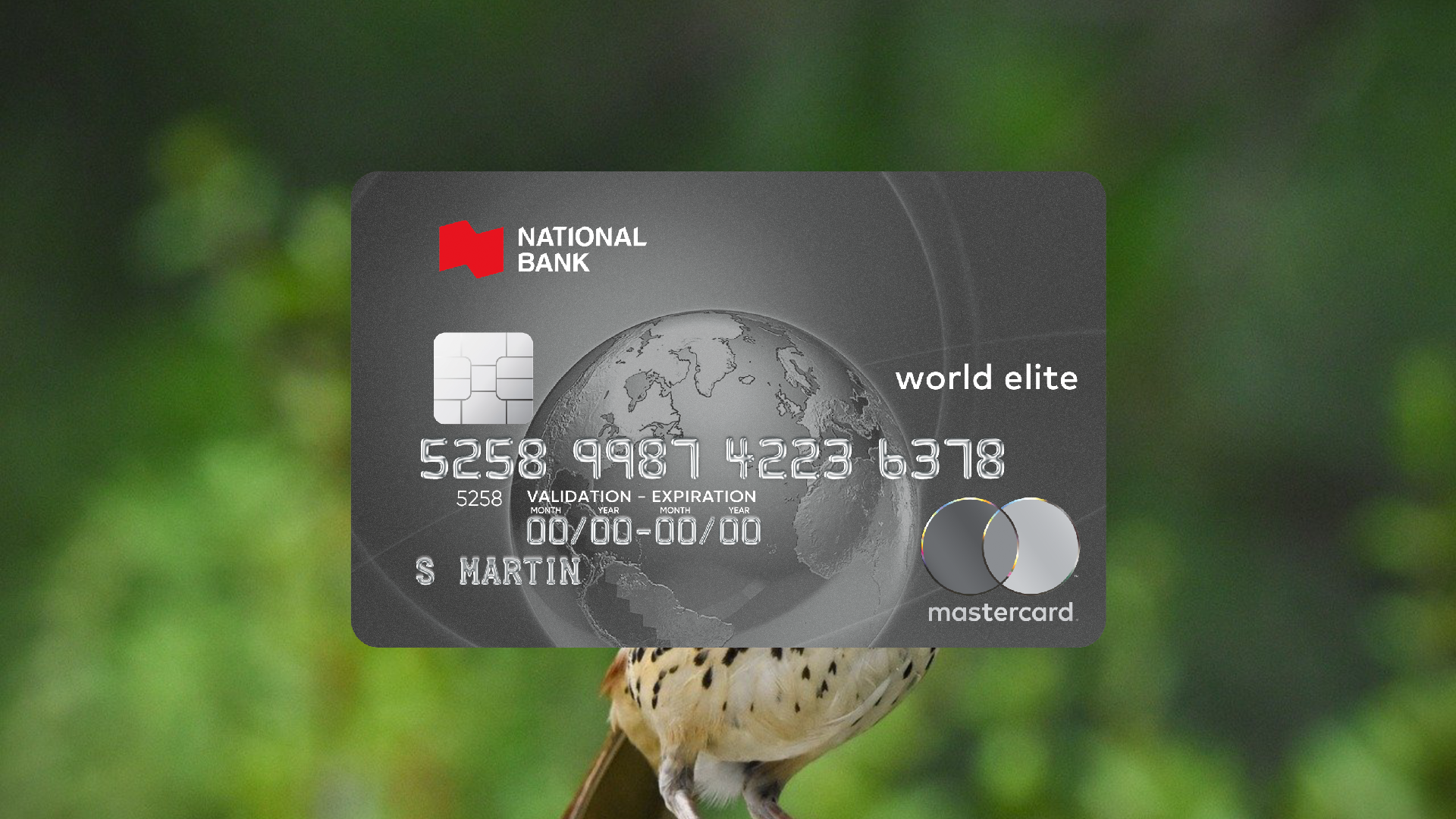
DIVE DEEPER: Click here to learn how to apply for the MBNA Rewards World Elite Mastercard
Conclusion
Managing and paying off credit card debt efficiently requires a structured approach that combines effective strategies with consistent financial habits. By adopting methods like the snowball or avalanche technique, you can tailor your repayment strategy to suit your emotional and financial goals. Utilizing balance transfers can also provide temporary relief from high-interest charges, allowing you to focus on the principal balance without accumulating additional costs.
Furthermore, don’t hesitate to explore debt relief options if you find your situation overwhelming. Organizations offering debt management plans or counseling services can provide valuable support and guidance. Remember, while these paths may come with their own implications, they can serve as crucial stepping stones towards financial recovery.
As you tackle your debts, it’s equally important to build an emergency fund to cushion your finances against future unexpected expenses. By setting aside a small amount each month, you protect yourself from falling back into debt when emergencies arise.
Overall, smart financial planning, behavioural adjustments, and an understanding of your available resources can pave the way toward a debt-free future. Embrace these strategies with determination, and you’ll find yourself not just managing your credit card debt more effectively, but also achieving a healthier overall financial state. Remember, the journey to financial stability is gradual, but every step you take is a step closer to liberation from debt.