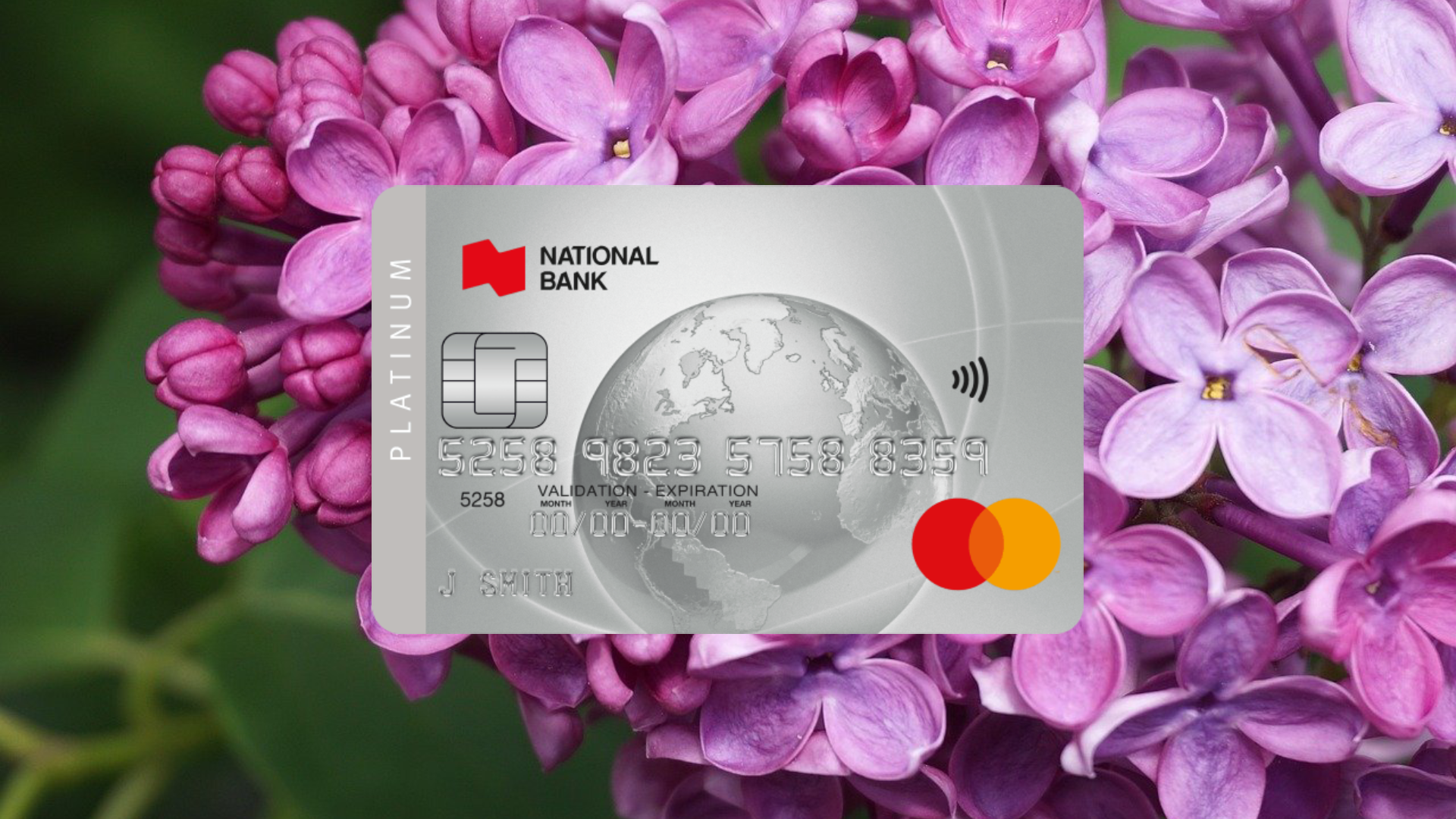
How Credit Cards Influence the Consumption Behavior of Canadians

The Impact of Credit Cards on Consumer Behavior in Canada
In today’s fast-paced financial environment, credit cards have emerged as an integral tool for Canadians, with statistics showing that over 70% of Canadians hold at least one credit card. This widespread adoption highlights the transformative effect credit cards have on spending habits, influencing how individuals manage their finances and make purchasing decisions. Understanding the nuances of this influence not only helps consumers navigate their personal finances but also sheds light on broader economic trends.
Reasons for Credit Card Usage
Canadians utilize credit cards for a multitude of reasons that cater to their diverse financial needs:
- Convenience: Credit cards allow consumers to make purchases quickly and easily without the need to carry cash. For example, when shopping for groceries or dining out, simply swiping a card can streamline the payment process and save time.
- Rewards Programs: Many credit cards offer enticing rewards programs. These can include earning points for travel, cashback on everyday purchases, or discounts on specific stores. For instance, a typical traveler might use a card that offers points towards airfare, enabling them to save for their next vacation.
- Build Credit History: Establishing a good credit history is crucial for future financial opportunities, like obtaining loans or mortgages. Responsible use of a credit card—such as paying the full balance on time—can significantly boost a person’s credit score, paving the way for better interest rates in the future.
Potential Challenges of Credit Card Usage
Despite their numerous benefits, credit cards can also present significant challenges for users:
- Overspending: The convenience of credit cards can lead to impulsive purchases. For example, a consumer might find themselves buying items they don’t need simply because they can “afford” them at the moment, leading to unnecessary financial strain.
- Debt Accumulation: The ease of accessing credit can result in high-interest debt if balances are not managed properly. Many Canadians face challenges in keeping up with repayments, particularly if they only pay the minimum amount due each month. This can lead to a cycle of accumulating debt that becomes hard to escape.
- Misleading Perception: A common misconception is viewing credit limits as available cash. This distorted perception can lead individuals to spend beyond their means, as they might assume they can comfortably repay the charges without any issue, only to find themselves in financial difficulties later.
Understanding Consumer Behavior
By examining the effects of credit cards on consumption behavior, we can identify patterns that influence spending habits. It’s crucial for consumers to recognize both the benefits and pitfalls of credit card usage. Enhanced knowledge in this area can lead to more informed financial decisions, ultimately benefiting not only individual consumers but also the overall Canadian economy.
In conclusion, navigating the world of credit cards requires a balance between leveraging their advantages and being aware of potential pitfalls. By understanding these dynamics, Canadians can make choices that foster better financial health and contribute to their long-term economic well-being.
DISCOVER MORE: Click here to learn how to apply
The Psychology Behind Credit Card Usage
The influence of credit cards on consumer behavior is not just a matter of convenience; it taps into deep psychological factors that shape how Canadians think about spending. Understanding these underlying motivations can illuminate why credit cards have become such a prevalent part of daily life for many individuals. Here are some key psychological aspects that come into play:
- Instant Gratification: Credit cards provide users with immediate access to goods and services. This taps into the desire for instant satisfaction, where consumers can obtain what they want without waiting or saving for it. For example, purchasing the latest smartphone can be made possible with a quick swipe of the card, leading users to prioritize immediate wants over long-term financial planning.
- Social Pressure: In a society that places value on consumerism and status, Canadians may feel pressured to keep up with social trends or peers. This compulsion can lead to increased credit card usage as individuals seek to project a particular image, sometimes leading them to overspend on luxury items or experiences that they cannot truly afford.
- The “Buy Now, Pay Later” Mentality: Credit cards foster a mindset where payments can be deferred. Many Canadians may view their purchases through the lens of manageable monthly payments rather than considering the overall cost. For instance, while a high-end television might seem too expensive to buy outright, smaller monthly payments can make it feel affordable, leading to increased consumer debt.
Moreover, recent studies suggest that credit card users often exhibit a disconnect between spending and budgeting. When charged purchases are made without the tangible “pain” associated with handing over cash, individuals are more likely to underestimate their total expenditure. This is particularly relevant in Canada, where consumers are increasingly making transactions digitally, further blurring the relationship between spending and financial awareness.
The Role of Marketing and Promotions
Marketing strategies often take advantage of the psychology surrounding credit card usage. Companies frequently offer promotions that incentivize credit card payments, such as exclusive discounts or bonus points when shopping using a specific card. These strategies not only encourage immediate purchases but also cultivate brand loyalty. For example, a Canadian grocery store might offer double loyalty points for credit card transactions, prompting shoppers to opt for the card over other payment methods to maximize savings.
This blending of promotional opportunities with convenient payment methods creates a powerful tool for influencing consumer behavior. As a result, Canadians may find themselves swiping their cards more often, leading to increased spending and a preference for using credit over cash or debit.
In summary, the influence of credit cards on the consumption behavior of Canadians is shaped by psychological factors, marketing strategies, and the evolving financial landscape. As individuals navigate these complexities, it becomes increasingly important to develop a clear understanding of how credit cards can both enhance and complicate financial choices.
DISCOVER MORE: Click here to learn how to apply for the Amex SimplyCash Card</
The Impact of Credit Card Rewards and Loyalty Programs
Another significant factor influencing consumer behavior is the proliferation of credit card reward programs and loyalty schemes. In Canada, many credit card issuers offer generous rewards for users, including points for travel, cashback, and other incentives that can be appealing to consumers. These rewards can create a compelling reason to use credit cards more frequently.
Cashback Offerings: For instance, cards that provide cashback on purchases have become increasingly popular. Some Canadians may be enticed to use their credit cards for everyday purchases, such as groceries, gas, or dining out, in order to accumulate cashback. This strategy can lead to a cycle of increased spending, as consumers may feel encouraged to buy more than they normally would just to earn rewards. Anecdotal evidence suggests that many Canadians track their cashback accrual and plan their spending around it, further reinforcing the habit of credit card use.
Travel Rewards: Travel rewards programs have also taken advantage of the desire for experiences over material goods. Canadians may choose to put travel-related expenses on their credit cards to earn points toward future trips, enhancing the allure of card usage. For example, a traveler might utilize a rewards card to book a hotel room or purchase flight tickets, incentivizing them to spend while simultaneously providing a tangible benefit in return. The prospect of a free vacation can overshadow the potential for debt accumulation.
However, while these rewards can provide value, they can also contribute to poor financial decisions. The allure of earning points or cashback often overshadows the risks of overspending. For instance, a consumer may be drawn to a promotional offer highlighting the accumulation of triple points on specific purchases, prompting them to spend more than they originally planned.
The Connection Between Credit Usage and Financial Literacy
The relationship between credit card usage and financial literacy also plays a crucial role in shaping consumer behavior. Research indicates that Canadians with a deeper understanding of financial concepts and associated risks are more likely to use credit cards responsibly. Unfortunately, many consumers may lack this knowledge, leading to challenges in managing credit card debt effectively.
Understanding Interest Rates: Many Canadians may not fully grasp the implications of high-interest rates associated with credit cards. For example, a card carrying an interest rate of 19.99% can quickly turn a seemingly manageable debt into a burdensome financial obligation if payments are not made in full. Ignorance of these details can drive impulsive spending, as individuals do not fully consider the long-term costs of their purchases.
Influence of Financial Education: Increasing financial literacy can empower consumers to make smarter decisions regarding credit usage. If Canadians were more educated about how credit card interest accrues, what constitutes a good debt-to-income ratio, and how spending habits impact credit scores, they might make more informed choices when it comes to using their credit cards. Programs aimed at improving financial education in schools and communities can help cultivate this awareness and lead to healthier credit usage.
As credit cards continue to evolve and become more ingrained in daily transactions, understanding their impact on consumption behaviors and the importance of financial literacy will be vital for Canadian consumers looking to navigate the complex landscape of modern finance.
DIVE DEEPER: Click here to discover the latest trends
Conclusion
In summary, credit cards play a significant role in shaping the consumption behavior of Canadians, driven by various factors including reward programs, spending habits, and the crucial element of financial literacy. As Canadians increasingly engage with their credit cards, the appeal of cashback and travel rewards encourages them to make purchases they may not have considered otherwise. This trend can lead to a cycle of spending that may overshadow prudent financial decision-making.
Moreover, the lack of financial literacy among some consumers can exacerbate the situation. Without a comprehensive understanding of interest rates and the long-term implications of credit card debt, many may find themselves trapped in a cycle of overspending and financial distress. It is essential that Canadians educate themselves about the mechanics of credit, including how to manage debts wisely and the importance of maintaining a healthy credit score.
As we move forward, it is vital to foster a culture of financial literacy that empowers consumers to harness the benefits of credit cards while mitigating their risks. By promoting educational programs and providing accessible information about responsible credit use, Canadians can develop healthier spending habits that not only enhance their purchasing power but also contribute to their financial well-being. Ultimately, understanding how credit cards influence behavior allows consumers to navigate their financial landscape with confidence and make more informed choices that lead to sustainable financial success.