Comparison between Credit Cards with Annual Fees and No Fees: Which is More Worthwhile for the Canadian Consumer

Weighing the Pros and Cons of Annual Fee Credit Cards
When deciding between credit cards with an annual fee and those without, it’s crucial to consider what each option offers. Both types of credit cards provide unique benefits that can cater to different financial needs and preferences, which means understanding these can greatly enhance your budgeting strategy.
Advantages of Credit Cards with Annual Fees
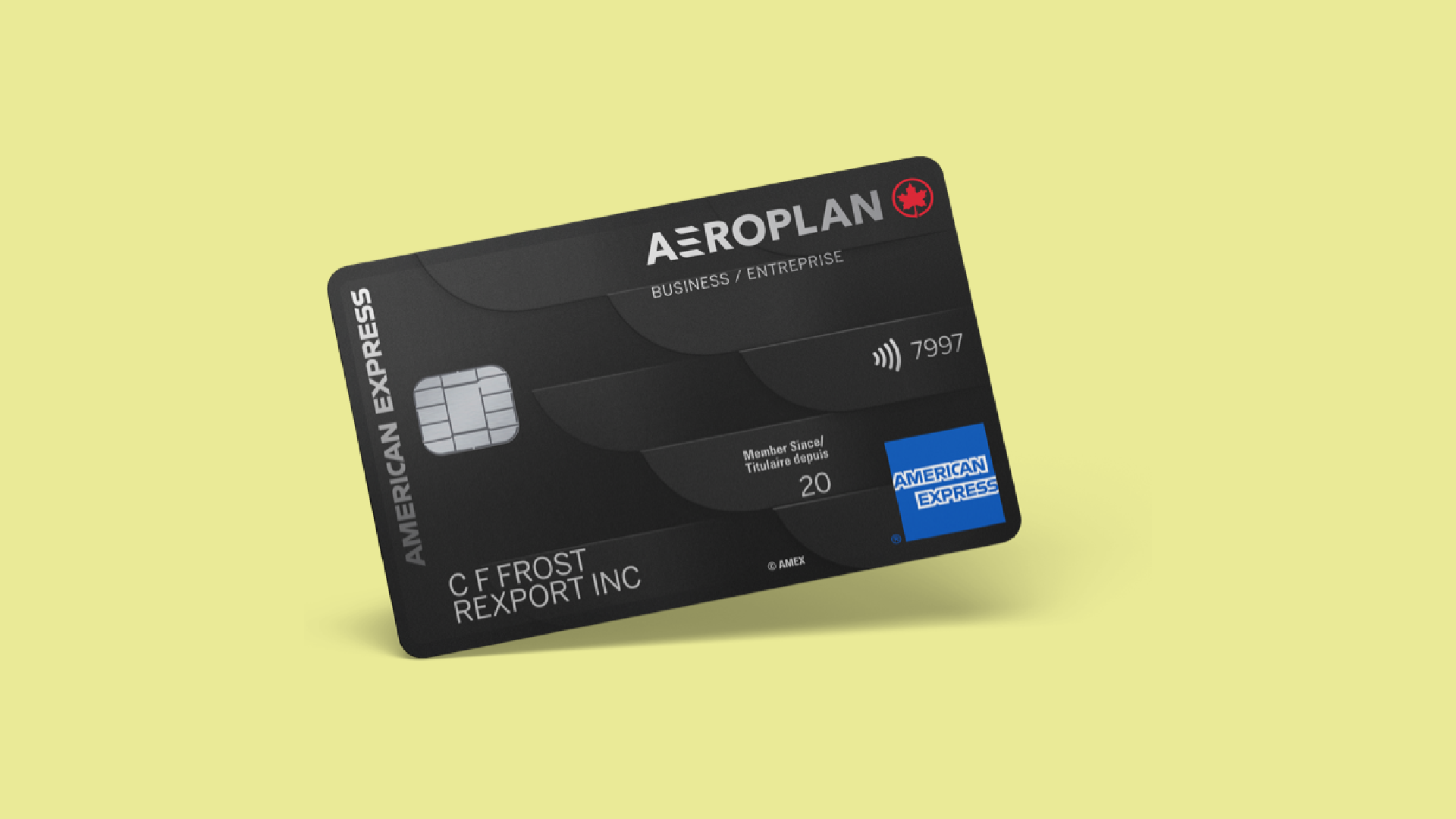
Credit cards with annual fees are often packed with premium features that can justify the expense for many consumers. For instance, many of these cards provide substantial rewards for travel, such as loyalty points, airline miles, or hotel points that can be redeemed for free travel. An example is the TD Aeroplan Visa Infinite Card, which offers 1.5 Aeroplan miles for every dollar spent on groceries, gas, and transit, making it an excellent choice for frequent travellers.
Additionally, such cards may come with valuable perks like comprehensive travel insurance, access to airport lounges, and exclusive deals on hotel stays or car rentals. These benefits can be especially useful for individuals who travel often or use their credit cards for substantial purchases, thus amplifying savings over time, which could outweigh the cost of the annual fee.
The Case for No Annual Fee Credit Cards
On the other hand, no annual fee credit cards are ideal for budget-conscious consumers or those who may not have a consistent spending pattern that would allow them to maximize rewards. These cards typically offer simpler rewards systems, such as a straight cashback on every purchase or rewards points that accrue for basic spending activities, like shopping at supermarkets or filling up gas. An example of this would be the Canadian Tire Triangle Mastercard, which offers 4% back on purchases at Canadian Tire and their partner retailers, with no fee attached.
Moreover, opting for a no-fee card means you won’t incur an expense even if you do not use it frequently. This makes it a suitable option for those who want to maintain a credit history without any additional financial burden.
Evaluating Your Financial Habits
To determine which type of card is better for you, it’s important to evaluate your spending habits and personal financial goals. Ask yourself the following questions:
- Monthly Spending: Do you spend significantly each month, enough to make the rewards from a fee-based card worthwhile?
- Rewards Utilization: Are you using all the benefits that come with an annual fee card, or are they going to waste?
- Personal Financial Goals: Do you prioritize travel rewards, or is straightforward cashback more beneficial to your day-to-day spending needs?
By understanding these factors, you can make a more informed decision that aligns with your lifestyle and financial aspirations. As we dive deeper into this topic, we will explore specific examples and comparisons to make the complexities surrounding credit card options clearer for Canadian consumers.
DIVE DEEPER: Click here to learn how to apply
Understanding the Value of Each Type of Card
When weighing the choice between credit cards with annual fees and those without, it is essential to dissect the tangible and intangible benefits that each type brings to the table. As Canadians navigate their financial landscape, understanding how these cards work will allow them to make informed decisions that can ultimately lead to better financial health.
Factors to Consider for Annual Fee Cards
One of the primary advantages of credit cards with annual fees is their potential for high reward returns, especially for those who can make the most of their benefits. For example, many of these cards offer enhanced rewards systems that can significantly benefit frequent shoppers and travellers. Consider the Scotiabank Gold American Express® Card, which provides 5x points on eligible dining and grocery purchases. For someone who spends a lot in these categories, the rewards can accumulate rapidly, easily justifying the annual fee attached to the card.
Furthermore, additional benefits such as high travel insurance coverage can also be a deciding factor. These may include trip cancellation insurance, emergency medical coverage, and rental car insurance at no extra cost, establishing even further value for those who travel frequently. For the right consumer, the perks provided by annual fee cards can lead to substantial savings, making them an attractive option.
The Appeal of No Annual Fee Cards
Conversely, no annual fee credit cards are designed to provide straightforward financial management without any hidden costs. They are perfect for consumers aiming to keep their expenses low while still enjoying the convenience of credit. Cards like the SimplyCash® Card from American Express offer unlimited 1.25% cash back on all purchases, providing simple rewards without the burden of an annual fee.
In addition to their simplicity, these cards are also ideal for those who may not use their credit card frequently. With no annual fee, there’s no pressure to maximize rewards, allowing consumers to use their card as needed without the worry of an added cost. This can be particularly appealing to young adults just entering the credit landscape or anyone cautious about overextending themselves financially.
Matching Cards with Spending Behaviors
To navigate this decision effectively, consumers should consider their spending behaviors and financial objectives. It might be helpful to reflect on the following aspects:
- Frequency of Use: Do you use your credit card regularly enough to earn and utilize the rewards, or do you make fewer transactions?
- Spending Categories: Are you likely to benefit more from rewards on specific categories, such as travel or groceries, derived from an annual fee card?
- Long-Term Financial Plans: Are you planning significant expenditures or travel that might make an annual fee worthwhile, or is your focus on maintaining a budget with a no-fee option?
Understanding these core elements can guide Canadian consumers toward selecting the credit card that will serve them best, making it easier to align their choices with their financial circumstances and goals.
DISCOVER MORE: Click here to learn how to apply for the Amex Cobalt Card</p
Evaluating Cost versus Benefit
Once potential cardholders have assessed their personal spending habits and financial goals, the next step is to closely examine how the cost versus benefit of credit cards with and without annual fees stacks up. A key aspect of this evaluation is performing a simple calculation: weigh the benefits and rewards against the annual fee to determine whether the card truly provides value.
The Hidden Costs of Free Cards
While no annual fee credit cards promise a cost-effective alternative, they may carry hidden expenses. Often these cards come with lower rewards rates compared to their fee counterparts. For instance, while a no-fee card might offer 1.25% cash back, a card with an annual fee can offer anywhere from 1.5% to 5% back on select categories. If you consider a scenario where a Canadian consumer spends around $20,000 a year on a credit card, choosing the right card can result in substantial earnings. A no-fee card at 1.25% would yield about $250 in rewards, whereas a card charging an annual fee but providing 3% back on groceries could generate $600 in rewards, which more than offsets the $150 annual fee.
Promotional Offers and Sign-Up Bonuses
Another critical element to keep in mind is promotional offers and sign-up bonuses, often available with annual fee cards. Many issuers entice new customers by offering lucrative introductory bonuses that can significantly enhance the appeal of a card. For example, the TD® Aeroplan® Visa Infinite* Card may come with an enticing sign-up bonus of 20,000 Aeroplan points — enough for a round-trip flight within Canada. This immediate reward can provide substantial value that a no-fee card typically does not offer, as the latter often lacks substantial bonuses.
Long-Term Loyalty Rewards
When considering long-term usage, loyalty programs associated with cards charging an annual fee are another important factor. Many consumers earn points that can be redeemed for high-value travel experiences, merchandise, or cashback over time. Cards such as the BMO® World Elite™ Mastercard® not only offer points for everyday spending but also provide exclusive benefits like airport lounge access and travel insurance. These features can elevate a consumer’s overall experience, especially for those who travel frequently. The value of these benefits often far exceeds the annual fee when utilized appropriately.
Assessing Individual Financial Circumstances
Understanding that every consumer’s financial situation is unique is crucial. For some Canadians, a no-fee credit card might be the most prudent choice, especially if their spending habits do not align with maximizing rewards. For others, particularly avid travellers or those who spend heavily in specific categories, an annual fee card with rich rewards can yield dividends in the long run. Therefore, it’s paramount for consumers to ask themselves:
- How often do I travel or spend in specific categories of rewards?
- Can I make the most of the perks offered by an annual fee card?
- Are the potential rewards worth more than the fee I would pay annually?
By analyzing these components, Canadian consumers can confidently navigate the landscape of credit card options, selecting a card that truly aligns with their financial needs and lifestyle choices.
DIVE DEEPER: Click here to learn how to apply
Conclusion
In conclusion, choosing between credit cards with annual fees and those without is a decision that hinges on individual preferences, spending habits, and financial goals. While no annual fee credit cards may initially appeal to consumers looking to avoid extra costs, it’s essential to consider the overall value that an annual fee card might provide. The higher rewards rates, lucrative promotional offers, and long-term loyalty rewards associated with these cards can often lead to greater financial benefits for those who strategically utilize them.
Moreover, assessing personal circumstances is crucial in making an informed choice. Consumers who travel frequently or spend significantly in specific categories could discover that the perks offered by annual fee cards, such as travel insurance, airport lounge access, and generous cash-back rates, outweigh the cost of the fee. On the other hand, consumers who engage in moderate spending or seek simplicity might find that a no-fee card aligns better with their lifestyle.
Ultimately, there is no one-size-fits-all answer. It’s important for Canadian consumers to carefully evaluate their own financial habits, ask the right questions, and conduct a thorough analysis of potential rewards against any associated fees. By doing so, they can select a credit card that not only meets their immediate needs but also enhances their financial future. Remember that the best card is the one that fits seamlessly into your financial journey, allowing you to maximize benefits while minimizing costs.

Linda Carter
Linda Carter is a writer and financial expert specializing in personal finance and financial planning. With extensive experience helping individuals achieve financial stability and make informed decisions, Linda shares her knowledge on the our platform. Her goal is to empower readers with practical advice and strategies for financial success.